🍎Gratitude Activities for the Classroom: An SEL Teacher's Toolkit
June 27, 2026
A classroom runs on a hundred small kindnesses a day — a shared eraser, a saved seat, a quiet “you go first.” Good gratitude activities for the classroom simply help students notice those kindnesses and say them out loud. The noticing is the skill, and it can be taught.
In Thank You Gate by AJ Ellis, every thank-you becomes a vine growing across your own gate — a gentle boundary that lets calm in. It’s a picture that travels beautifully from a picture book to a bulletin board. Here’s a teacher’s toolkit of low-prep practices that fit any SEL block, from kindergarten carpet time to a busy grade five afternoon.
Open with a 60-second gratitude round
Morning meeting is the natural home for gratitude. Keep it short so it stays sustainable on a real Monday.
Go around the circle and have each student name one thing they’re grateful for — a person, a place, a small comfort. To keep answers fresh, rotate a daily lens: “someone who helped you,” “something outdoors,” “something about this class.” Let students pass if they need to; a pass is still participation. Sixty seconds of this sets a warmer tone than any worksheet.
Build a class gratitude gate
Turn a bulletin board into a shared gate. Draw or print a large archway, then keep a basket of paper leaves nearby. Whenever a student notices something to be thankful for — or catches a classmate being kind — they write it on a leaf and add it to the vine.
By winter break, your gate is overflowing with green. The wall becomes a living record of the kindnesses your class has noticed together. Younger grades can colour pre-cut leaves; older students can write a full sentence. Our free gratitude printables include a gate template and leaves ready to print for the whole room.
Teach a quick gratitude breath for transitions
Transitions — coming in from recess, settling after lunch — are when classrooms get loud. A shared breath resets the room in under a minute.
Try this together:
- Breathe in slowly through the nose.
- Take one small extra sip of air to fill the lungs.
- Let a long, slow breath out through the mouth.
- On the exhale, everyone silently thinks: thank you.
- Repeat three times.
The long exhale calms the body; the silent thank-you steadies the mind. The Greater Good Science Center at UC Berkeley notes that brief, regular gratitude practices can support a calmer, more focused mood — useful for the whole class, not just the wigglers.
Run a “kindness catch” all week
Hand out small slips and invite students to “catch” classmates doing something kind. They jot what they saw — “Maya helped me find my pencil” — and drop it in a jar. Read a few aloud at the end of each day.
A kindness catch does quiet work on classroom culture. It trains students to scan for the good in each other instead of the annoying, and it gives quieter acts of kindness a moment in the spotlight. Pair it with the class gate by adding each caught kindness as a new leaf.
Write thank-you notes to school helpers
Once a term, dedicate a writing block to thank-you notes for the people who keep the school running — custodians, office staff, bus drivers, the librarian, the crossing guard. One or two honest sentences each, plus a drawing for younger grades.
This activity does double duty: it’s authentic writing practice and it widens students’ sense of community. Delivering the notes is the best part — let a small group hand them over and watch the faces. Grunckle, the kind little gatekeeper from the book, would call that a very good day’s work.
Keep a gratitude shelf of read-alouds
Picture books do quiet, powerful work — they let students borrow a character’s feelings and practise gratitude safely, before they’re asked to name their own. Keep a small shelf of gratitude-themed read-alouds within easy reach.
After a story, pause for one open question: “What did that character notice that they almost missed?” or “Who would you thank if you were in that story?” Let a few students answer, then connect it back to your class gate by adding a leaf inspired by the book. A five-minute read-aloud can open a conversation that a worksheet never could — and it gives your reluctant talkers a character to hide behind while they find their own words.
Fold gratitude into your SEL block, gently
You don’t need a new programme — just a steady thread. Anchor one practice to something already in your day: the gratitude round at morning meeting, the breath after recess, the gate on Fridays. Consistency, not novelty, is what makes it stick.
Keep it warm and pressure-free. Let students pass, let answers repeat, and never turn gratitude into a graded task. For more short practices you can borrow, the blog has a full run of daily gratitude ideas, including a gratitude meditation that works well with older classes.
Want a head start? Download the free gratitude printables — gate, leaves, and prompts — and let your class grow its first vine this week. One noticed kindness at a time.
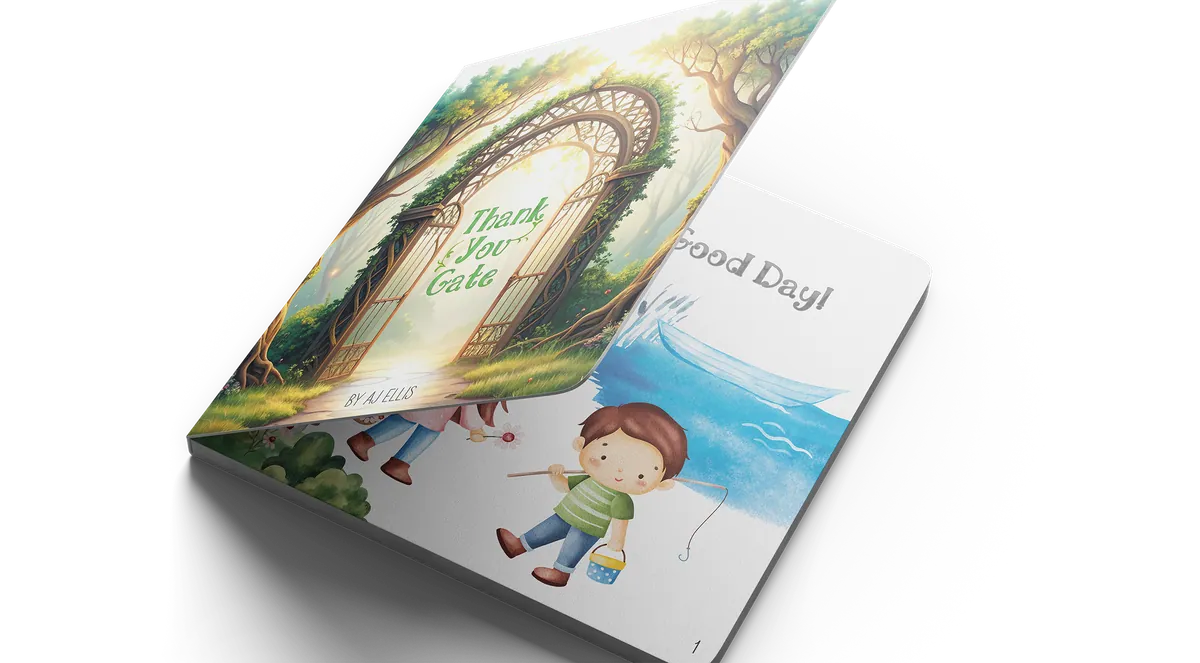
Read the book behind the practice
Thank You Gate by AJ Ellis — every thank you is a little bit of magic.